Why Do Flamingos Stand on One Leg? What Science Has Found
Flamingos can rest on a single leg for long stretches. Research on live and preserved birds suggests the pose may cost them very little effort.
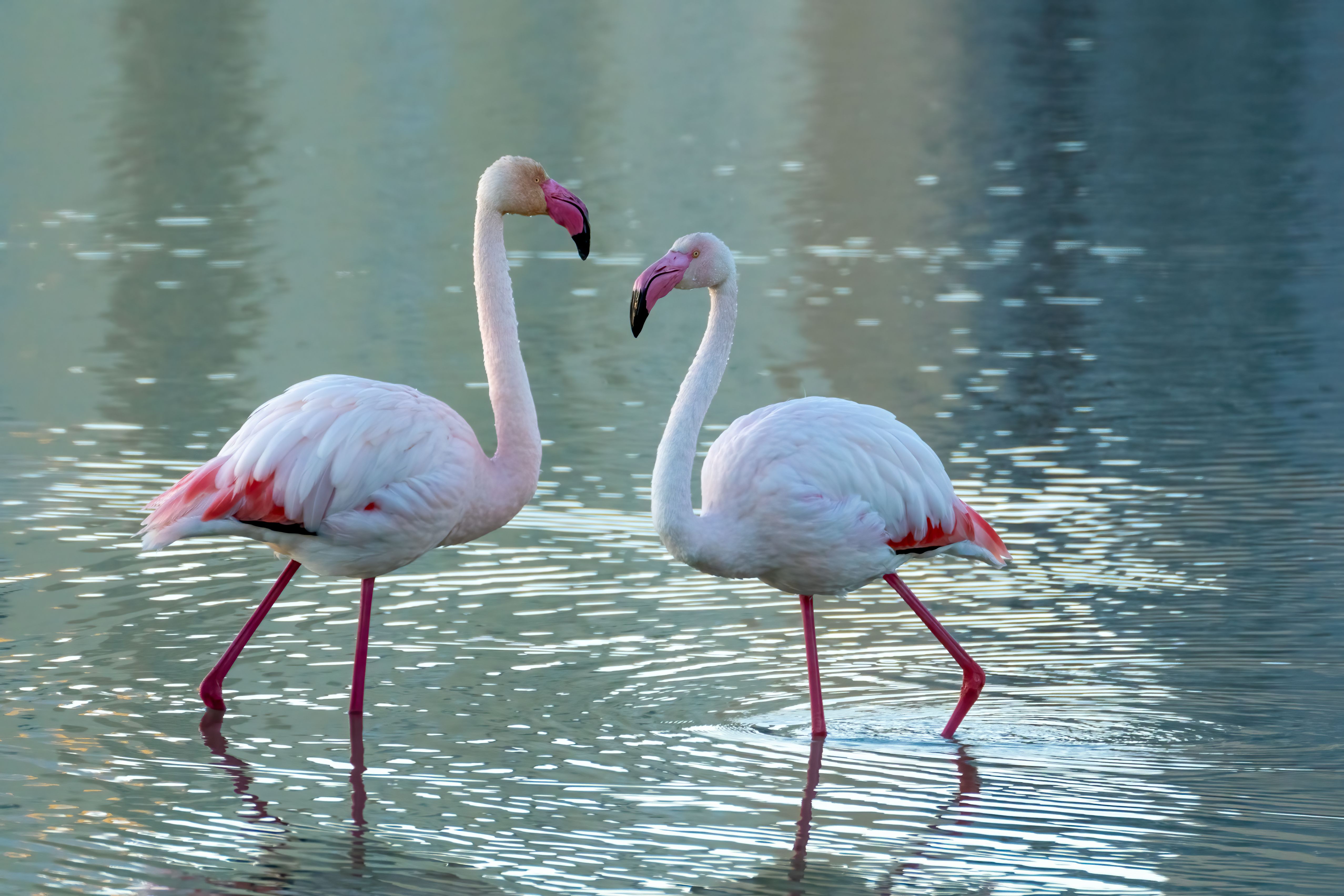
The Short Answer
For years, the usual explanations were that flamingos tuck a leg up to keep warm or to rest tired muscles. A 2017 study in the journal Biology Letters added a surprising idea: standing on one leg may simply be easier for a flamingo than standing on two.
The research was led by Young-Hui Chang of Georgia Tech and Lena Ting of Emory University, who set out to measure how much muscle effort the pose really demands.
What the Experiments Showed
The team worked with preserved flamingo bodies and with eight young Chilean flamingos at Zoo Atlanta. The live birds stood on a sensitive platform called a force plate, which records tiny shifts in balance.
In the preserved birds, the leg joints settled into a stable position on their own when the body was held upright on one leg, with no muscles working at all. That points to a built-in, passive support system in the flamingo's anatomy. One researcher compared it to a sling or hammock rather than a lock.
The effect did not carry over to two legs. When the second leg was put down, the stable arrangement was lost.
Calmer When Asleep Than Awake
In the live birds, the measurements showed more body sway while the flamingos were alert and active, and noticeably steadier posture when they were resting or dozing. In other words, a sleeping flamingo on one leg is surprisingly still.
Does Heat Loss Still Matter?
The study does not rule out the older ideas. Flamingos spend long hours wading in water, and pulling one leg out of it could still help them keep warmth, especially if the pose costs little energy to hold.
The researchers also noted that flamingos are not the only birds to do this. Storks and wood ducks balance on one leg too, so the mechanism may be more widespread among birds than once thought.
What We Still Don't Know
The experiments involved a small number of young birds, and the scientists say more research is needed to understand how muscles and the nervous system work alongside the passive anatomy. So far, the best summary is this: one leg is not a strain for a flamingo, and it may be the easiest way for it to rest.
Source: Chang, Y.-H. and Ting, L. H. (2017). Mechanical evidence that flamingos can support their body on one leg with little active muscular force. Biology Letters, 13(5).
Related posts
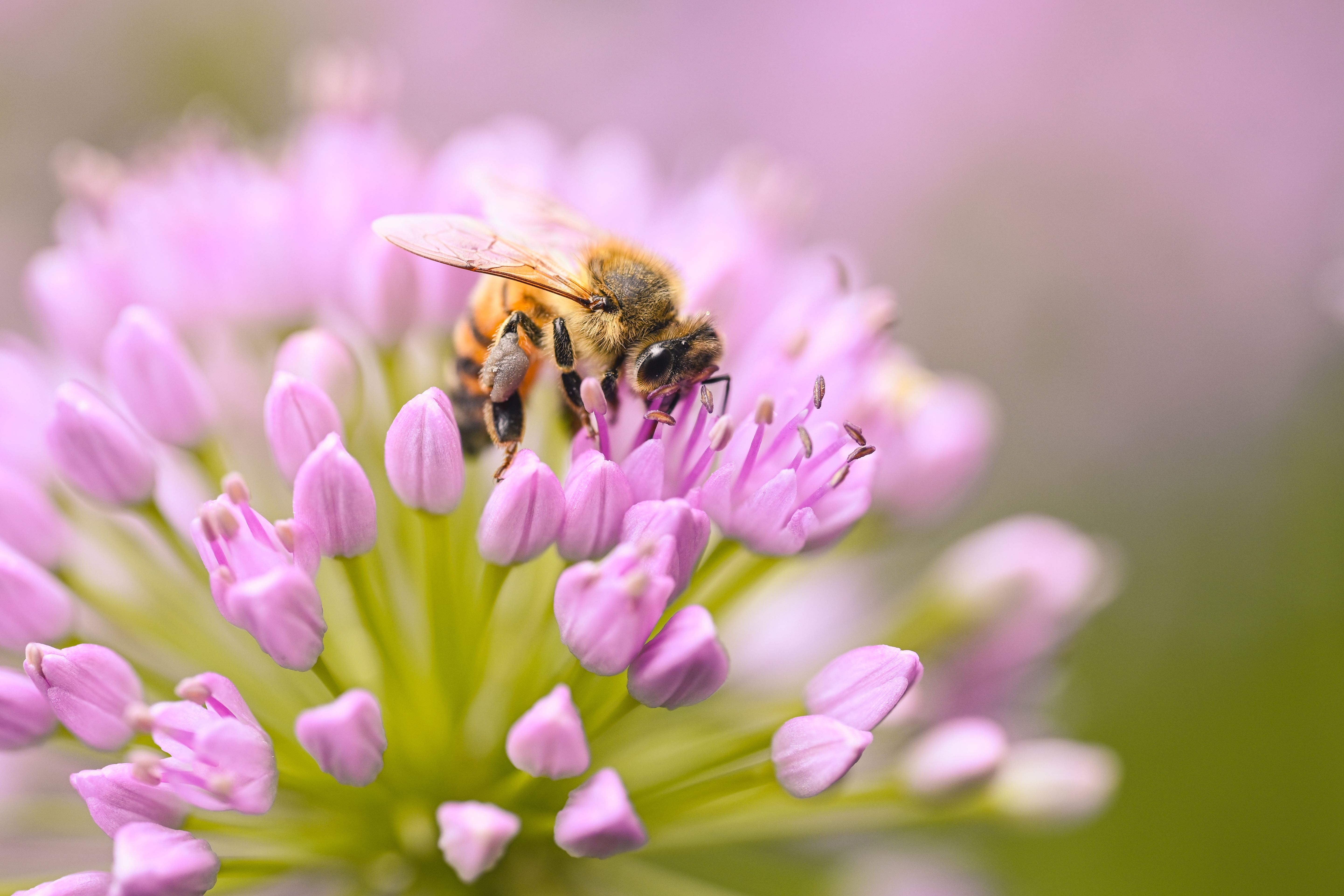
How Honey Bees Use a Dance to Give Directions to Flowers
Returning forager bees perform a waggle dance that tells nestmates how far to fly and which way to go, using the sun as a compass.
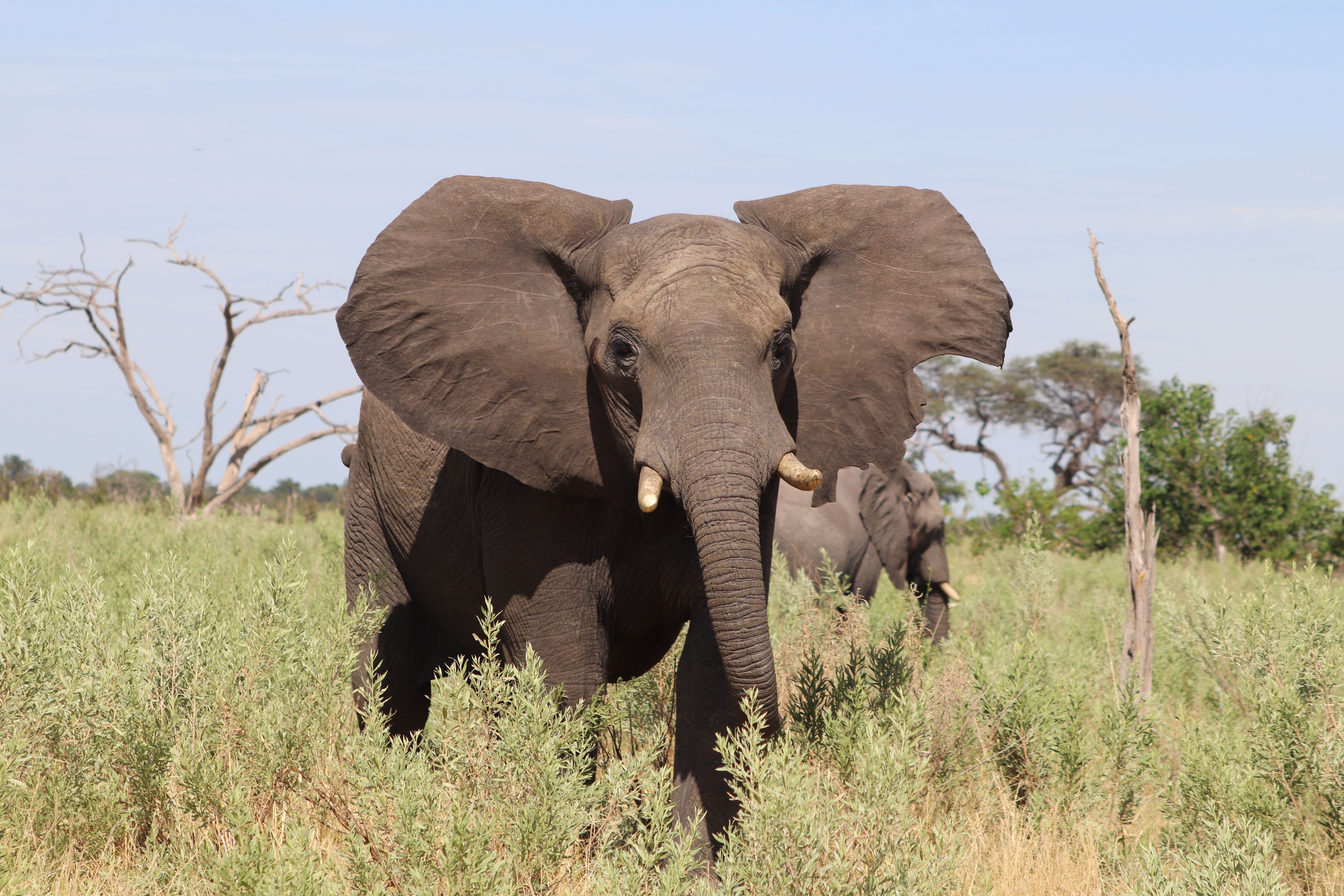
How Elephants Talk Across Long Distances: Infrasound and Ground Vibrations
Elephants make deep rumbles at the edge of human hearing, and some of that energy also travels through the ground, where other elephants may feel it.
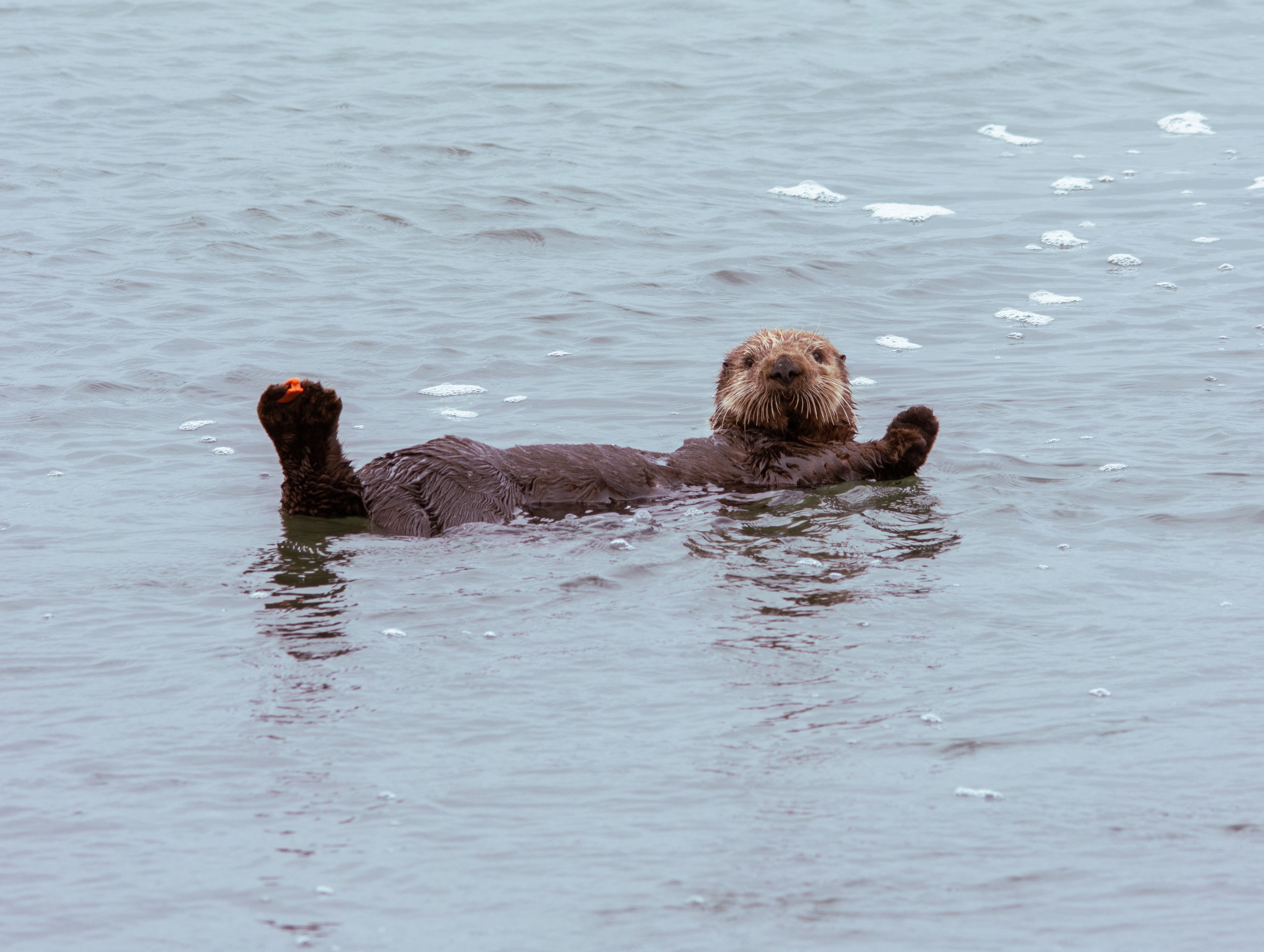
Sea Otters: The Densest Fur of Any Mammal and the Rocks They Keep
With no blubber to keep them warm, sea otters rely on the thickest fur of any mammal, plus a lot of grooming and a lot of food.