How Honey Bees Use a Dance to Give Directions to Flowers
Returning forager bees perform a waggle dance that tells nestmates how far to fly and which way to go, using the sun as a compass.
A Dance With a Purpose
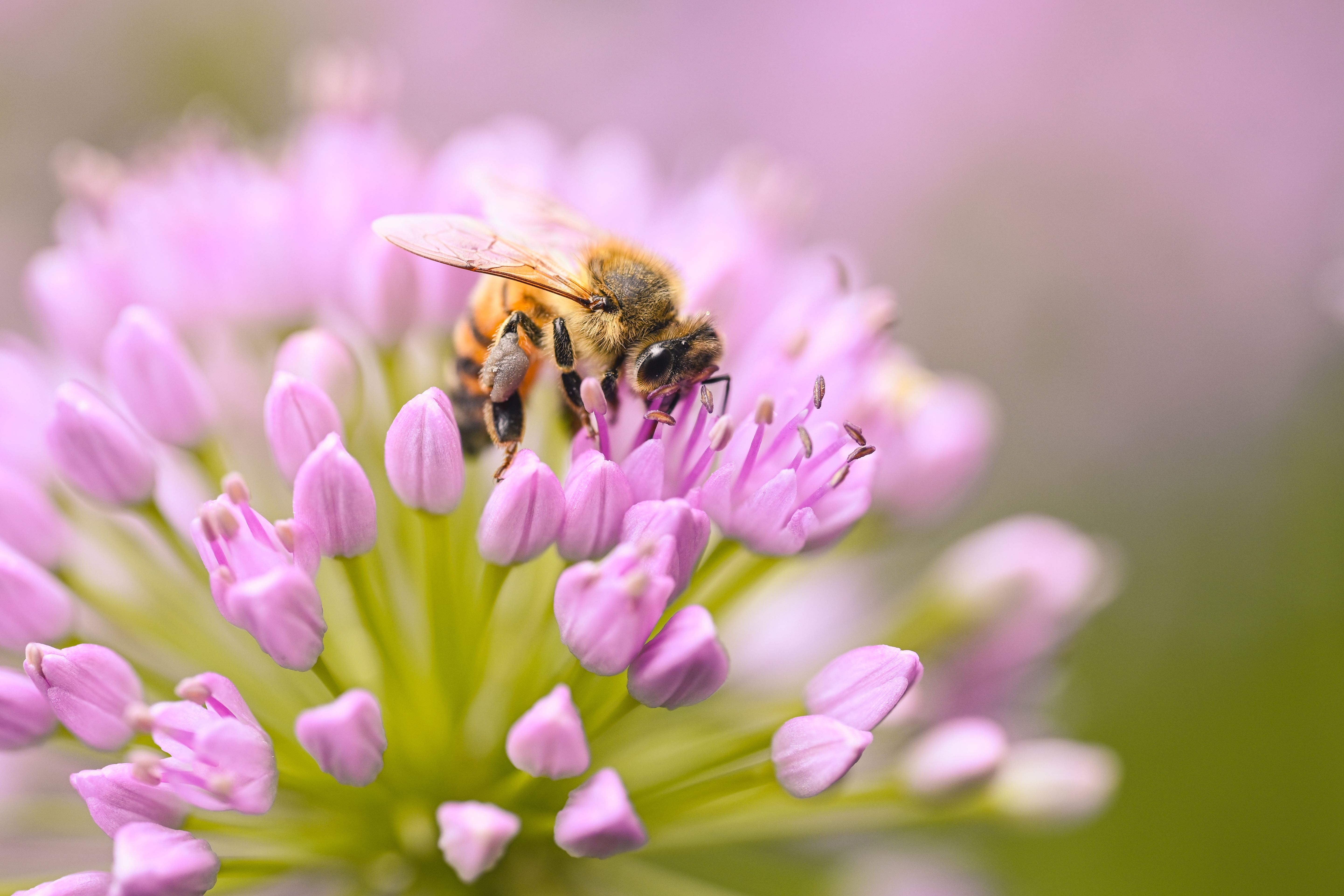
When a honey bee finds a rich patch of flowers, she can return to the hive and tell her sisters where it is. She does it by dancing on the vertical honeycomb inside the dark nest, while nearby bees follow her movements closely.
The famous waggle dance is a figure eight. The bee runs forward in a straight line while shaking her body, loops back to the start, runs the straight line again, then loops around the other side.
The Austrian scientist Karl von Frisch decoded this behavior over decades of experiments. He shared the 1973 Nobel Prize in Physiology or Medicine with Nikolaas Tinbergen and Konrad Lorenz for work on animal behavior.
Reading the Distance
The length of the straight waggling run carries the distance. The farther away the flowers are, the longer the bee waggles. Scientists have found this relationship to be roughly steady, which is why the length of the run is treated as the most reliable distance signal in the dance.
Turning the Sun Into an Angle
Direction is trickier, because the dance happens indoors with no sun in sight. The bee solves this by translating the sun's position into an angle on the comb. If she waggles straight upward, the flowers lie in the direction of the sun. If the run points to the right or left of straight up, the flowers lie at the same angle to the right or left of the sun.
As the day goes on and the sun moves across the sky, dancing bees adjust their angle to match, so the message stays correct.
Not Every Detail Is Settled
The idea of a bee language has faced skepticism over the years, and researchers still debate how much of the information followers actually use. Even so, experiments show that honey bees do use the distance and direction contained in the dance, making it one of the best-studied examples of communication in the animal world.
Bees whose food is close to the hive tend to use a simpler round dance instead, which signals that flowers are nearby without a precise direction.
Source: Karl von Frisch, Nobel Lecture, "Decoding the Language of the Bee" (1973).
Related posts
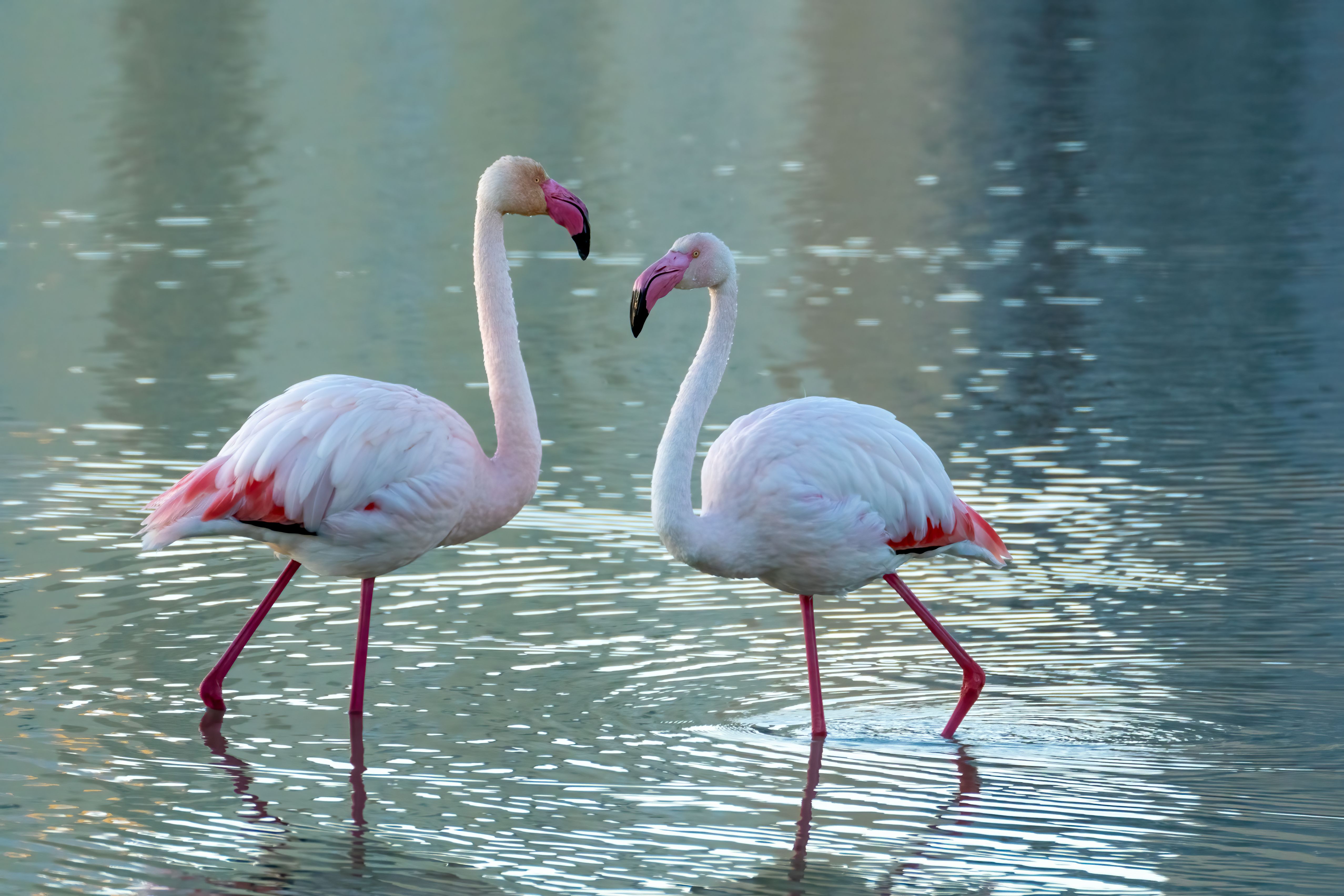
Why Do Flamingos Stand on One Leg? What Science Has Found
Flamingos can rest on a single leg for long stretches. Research on live and preserved birds suggests the pose may cost them very little effort.
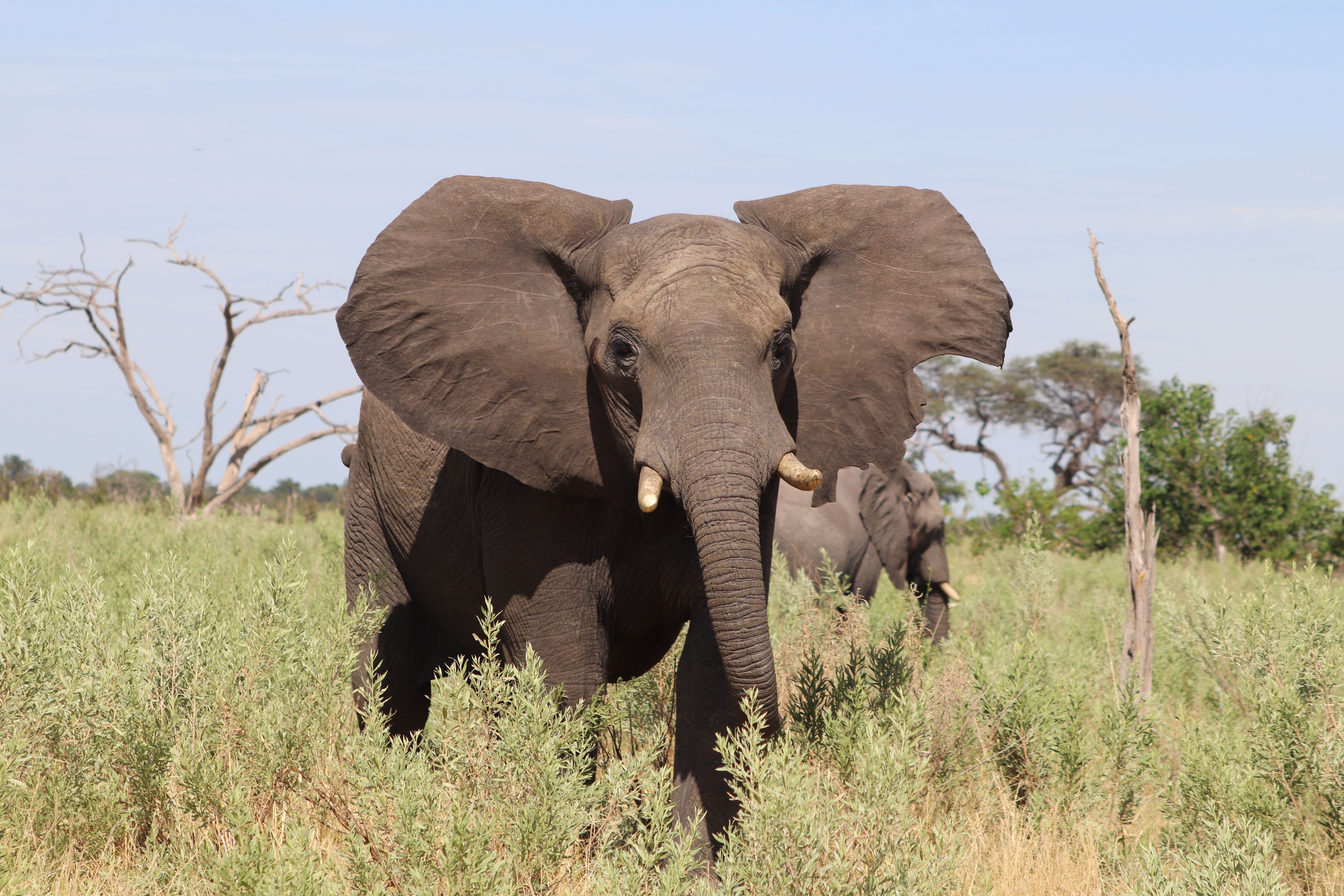
How Elephants Talk Across Long Distances: Infrasound and Ground Vibrations
Elephants make deep rumbles at the edge of human hearing, and some of that energy also travels through the ground, where other elephants may feel it.
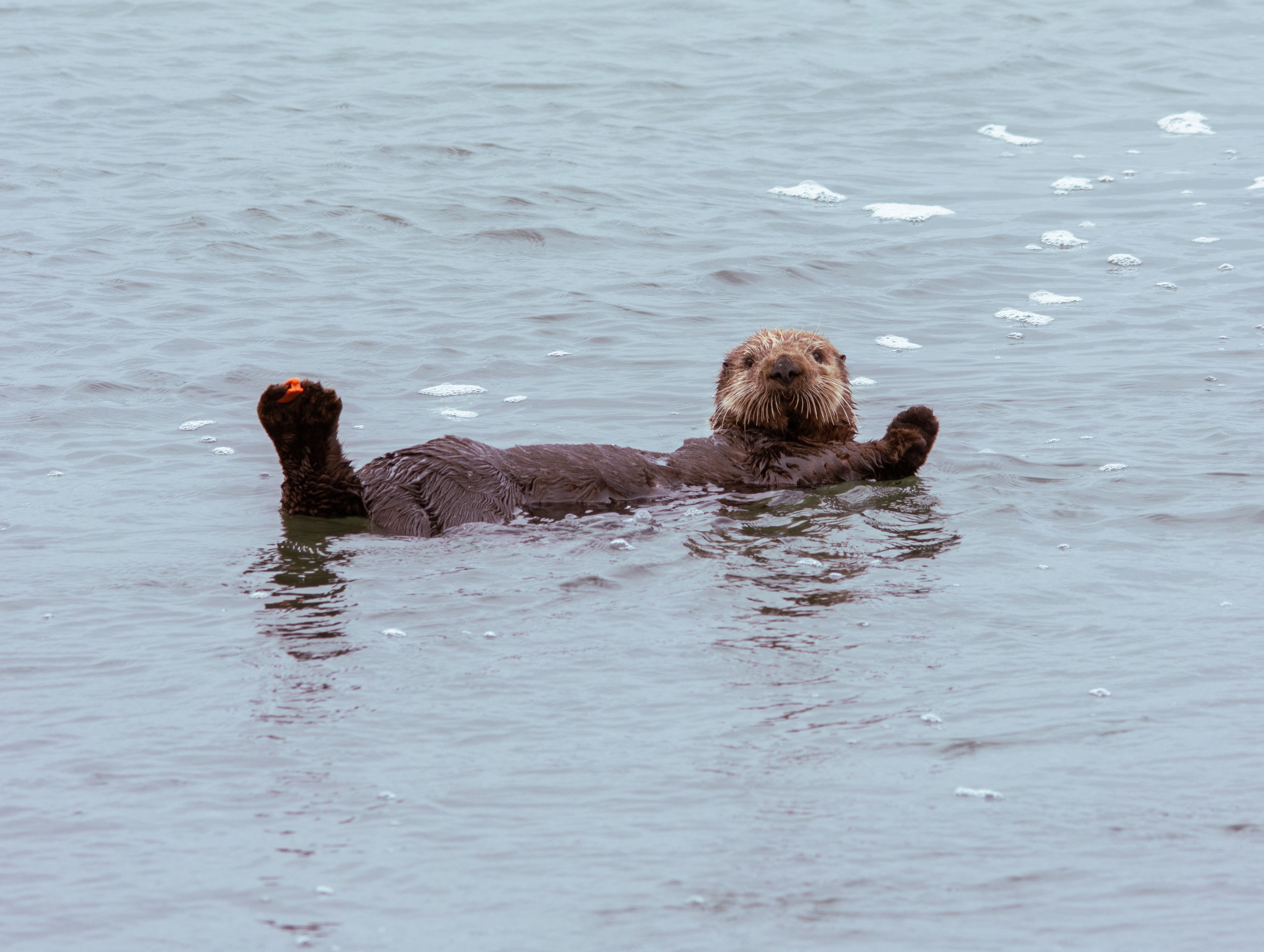
Sea Otters: The Densest Fur of Any Mammal and the Rocks They Keep
With no blubber to keep them warm, sea otters rely on the thickest fur of any mammal, plus a lot of grooming and a lot of food.